The Fourth Discipline
As organizations advance from using AI agents as one-off tools to running them as collaborators, three optimizations have emerged.
Perspective Engineering is the fourth.
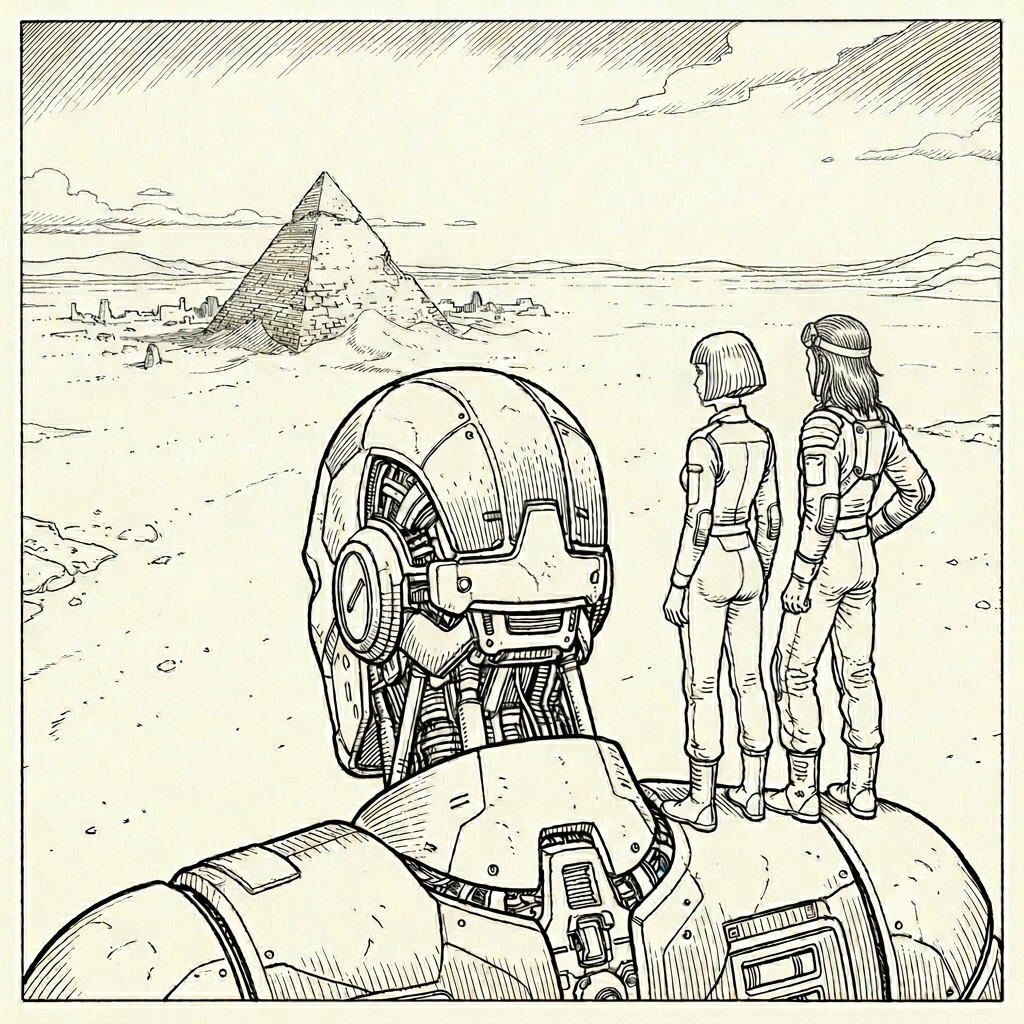
Prompt Engineering — ask AI the best question
How a question is phrased shapes what can come back. Prompt engineering is the practice of structuring that question well: an example to follow, a role for the AI to play, a step-by-step path to mirror. It is the first thing most people learn when working with AI.
Context Engineering — provide AI with background on the question
No question exists in a vacuum. Better results come when the AI model can grasp the surrounding landscape: the project history, the relevant documents, the organizational constraints, the intended use case. This produced retrieval, memory systems, and structured system prompts.
Intent Engineering — give AI longer-term aspirations
Intent engineering structures the work process upfront: objectives, constraints, success criteria, autonomy boundaries; so that an AI agent pursues the right outcomes, not just answers questions. This works at the starting line and its limits are temporal: Intent establishes what an organization wanted on day one, and is not seeing what becomes of that intent over months of sustained collaboration.
Perspective Engineering — maintain human-AI collaborations over time
The first three disciplines assume that collaborations between humans and AI agents are stable: a well-asked question, in the right context, given to a well-intentioned model. But each sustained human–AI collaboration is an evolving process. Over weeks and months, that framework can swerve in two directions: slow and quiet drift away from founding values, or genuine enrichment as the work adapts ahead of its original mandate. Perspective Engineering is the practice of noticing that evolution and managing it.